

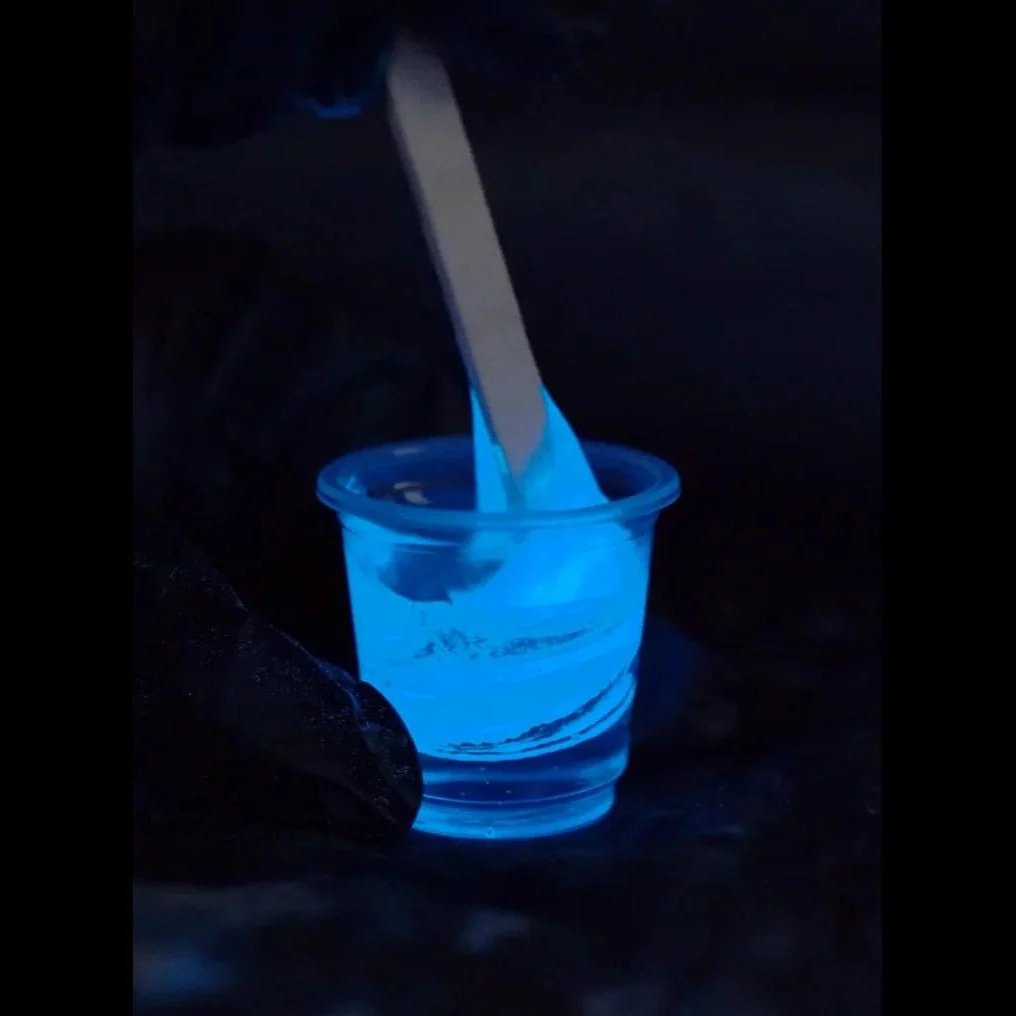
Photoluminescent powder can look extremely bright when tested as a loose pigment.
But once the same powder is mixed into resin, paint or another coating system, the final glow may look very different.
This often surprises buyers.
The reason is simple:
The finished glow depends not only on the pigment itself, but also on the material surrounding it.
Important factors include:
- binder transparency
- pigment concentration
- coating thickness
- base color
- particle size
- mixing method
- charging conditions
- surrounding light
For this reason, choosing a good photoluminescent powder is only the first step.
The formulation also matters.
Why Loose Glow Powder Often Looks Brighter Than a Finished Coating
A pile of photoluminescent powder exposes a very large amount of luminous material directly to light.
Once the powder is mixed into a coating, each particle may be partially surrounded by:
- resin
- acrylic binder
- polyurethane
- epoxy
- clear coat
This changes how light enters and leaves the material.
If the coating is too opaque, too dark or too heavily pigmented, the luminous particles may not receive enough charging light.
The final glow can therefore appear weaker than the raw powder.
This does not necessarily mean the pigment quality is poor.
It may be a formulation issue.
Start With a Clear or Light-Colored Binder
For strong glow performance, the binder should allow light to reach the luminous particles.
Transparent or translucent systems are usually easier to work with than highly opaque systems.
Common examples include:
- clear epoxy resin
- transparent polyurethane
- clear acrylic systems
- transparent decorative coatings
The clearer the medium, the easier it is for light to reach the pigment.
Opaque binders can still be used, but they usually require more careful testing.
Dark Pigments Can Reduce Glow Performance
Suppose sky-blue photoluminescent powder is mixed into a very dark blue paint.
The daytime color may look attractive.
But the dark pigment may absorb a significant amount of incoming light.
That leaves less energy available for the photoluminescent particles.
The same problem can occur with:
- black coatings
- dark red coatings
- heavily pigmented systems
If strong afterglow is important, use the luminous pigment together with a light or transparent system whenever possible.
A Light Base Layer Can Improve Visible Glow
One useful approach is to apply the photoluminescent layer over a light-colored base.
For example:
white base coat → photoluminescent layer → optional clear protective coat
A light background reflects more light back through the luminous layer.
This can help improve the visible effect.
A dark substrate may absorb more light and reduce contrast inside the coating system.
This is why sample testing should include the actual substrate color.
Do Not Automatically Add More Powder
A common reaction to weak glow is:
“Add more photoluminescent powder.”
Sometimes that helps.
But only up to a point.
Increasing pigment concentration can also change:
- viscosity
- leveling
- transparency
- surface texture
- mechanical properties
- coating application
Very high loading can make the system difficult to apply.
The better approach is to test several controlled pigment concentrations.
Create Three Mixing Ratios for Testing
Instead of guessing one formulation, prepare three small samples.
For example:
Sample A
Lower photoluminescent pigment loading.
Purpose:
- easier application
- lower material cost
- subtle glow
Sample B
Medium pigment loading.
Purpose:
- balanced glow and workability
Sample C
Higher pigment loading.
Purpose:
- stronger luminous effect
Charge all three under the same light conditions.
Then compare them at the same time.
This makes it much easier to find the best formulation.
Pigment Loading Depends on the System
There is no universal mixing ratio that works for every resin or coating.
The correct amount depends on:
- binder type
- pigment particle size
- desired brightness
- coating thickness
- application method
A thin spray coating may need a different formulation from a thick epoxy casting.
A road coating may also need different mechanical properties from a decorative resin craft.
For commercial projects, always test the complete system.
Mixing Method Matters
Photoluminescent powder must be distributed evenly throughout the binder.
Poor mixing can cause:
- bright areas
- weak areas
- sediment
- uneven color
- inconsistent surface appearance
The pigment should be mixed until distribution is uniform.
However, excessive high-shear processing may not always be desirable for every pigment grade.
Follow the supplier's recommendations for the specific material.
Sedimentation Can Be a Problem
Photoluminescent pigments are often heavier than some liquid binders.
During storage or application, particles may gradually settle.
This can create:
- uneven pigment concentration
- stronger glow at the bottom
- weaker glow at the top
For coatings, formulation viscosity and application timing become important.
Stir the material properly before and during use when required.
For large batches, test whether the pigment remains suspended long enough for practical application.
Epoxy Resin Is a Common Application

Photoluminescent powder is widely used in epoxy resin applications.
Typical products include:
- resin tables
- decorative panels
- coasters
- art pieces
- floor systems
- transparent casting projects
Clear epoxy allows the luminous pigment to remain visible.
However, thick resin castings can behave differently from thin coatings.
The pigment may settle during curing.
This is why small test pours are useful before producing a large item.
How to Test Glow Powder in Epoxy Resin
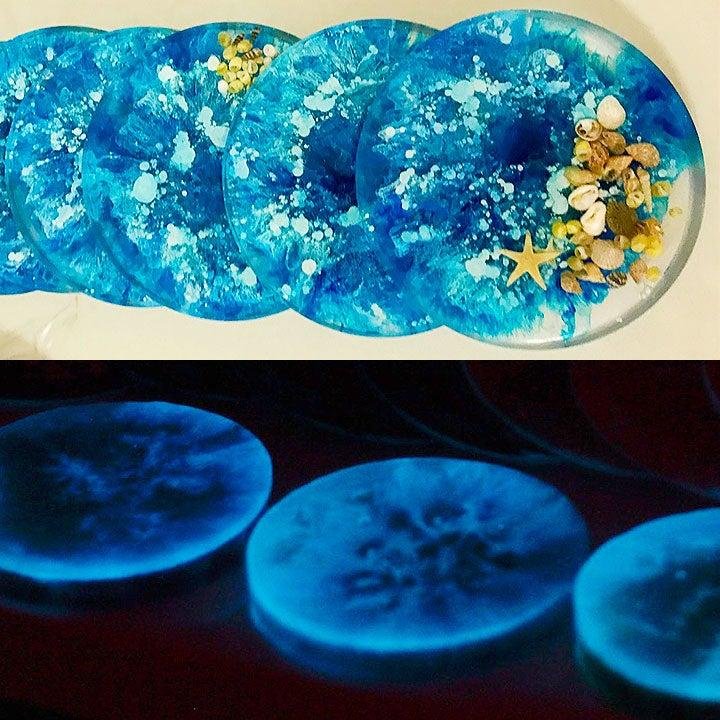
A simple test can use several transparent cups.
Prepare identical resin quantities.
Add different pigment concentrations.
Keep:
- resin type
- mixing time
- curing conditions
- sample thickness
the same.
After curing, expose every sample to the same charging light.
Then compare:
- initial brightness
- afterglow
- particle distribution
- daytime appearance
This provides much better information than testing loose powder alone.
Photoluminescent Powder in Pavement Coatings
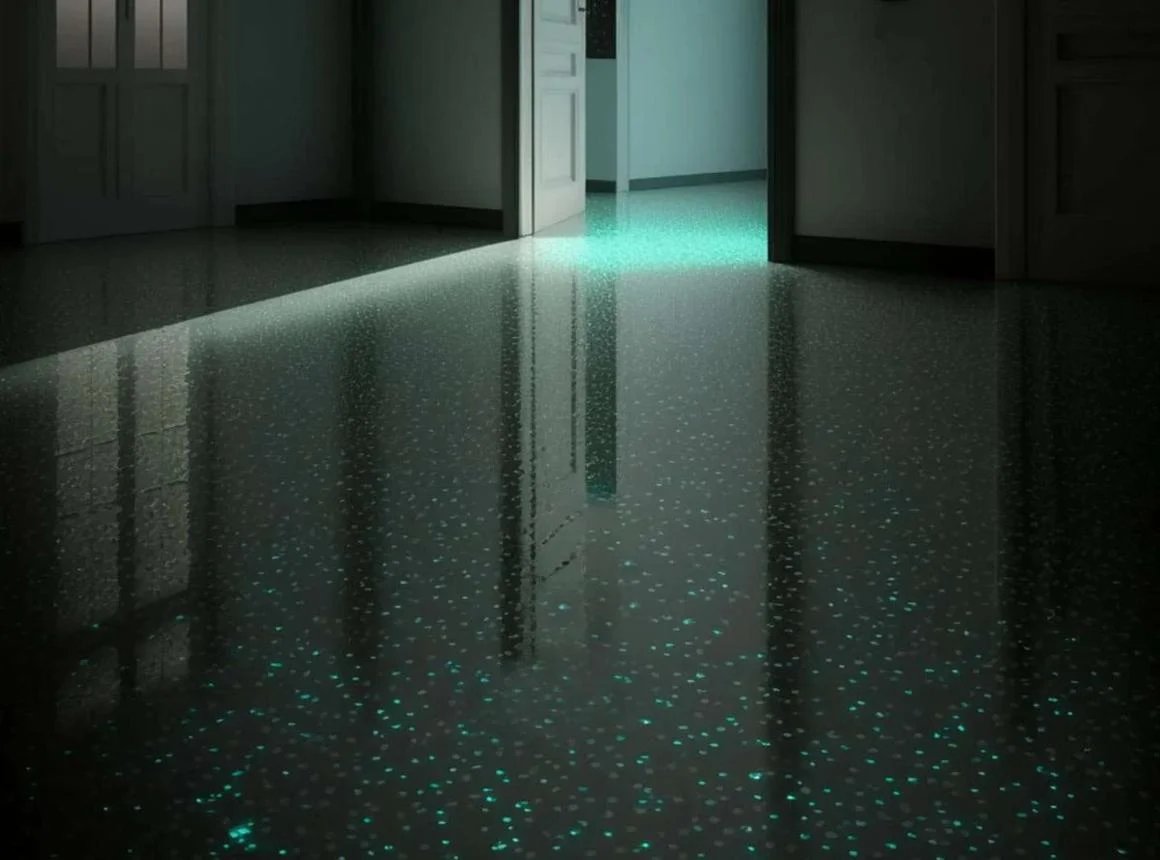
Glow powder can also be used in suitable pavement coating systems.
Potential applications include:
- pedestrian pathways
- landscape areas
- decorative pavement
- road markings
- safety guidance
The formulation must consider more than glow.
Outdoor pavement also requires:
- adhesion
- abrasion resistance
- weather resistance
- slip resistance
A coating that glows strongly but wears away quickly is not a successful pavement system.
Surface Texture Can Affect Visible Glow
The finished texture influences how much luminous material is visible.
A rough surface may scatter light differently from a smooth surface.
If the pigment is buried under:
- thick resin
- opaque topcoat
- heavy aggregate
the visible glow may decrease.
For pavement systems, the final surface should be tested after the complete installation process.
Be Careful With Clear Topcoats
A transparent protective coat can help protect the luminous layer.
However, the topcoat should be compatible with the system.
Check:
- transparency
- UV stability
- adhesion
- chemical compatibility
- yellowing resistance
A clear coat that yellows over time can change both daytime appearance and nighttime glow color.
UV Resistance of the Complete System Matters
The photoluminescent pigment may perform well outdoors, but the binder around it can still degrade.
Potential issues include:
- yellowing
- chalking
- cracking
- loss of adhesion
For outdoor projects, evaluate the complete coating system rather than only the pigment.
The binder is part of the product performance.
Sky-Blue Glow Powder Creates a Different Visual Effect
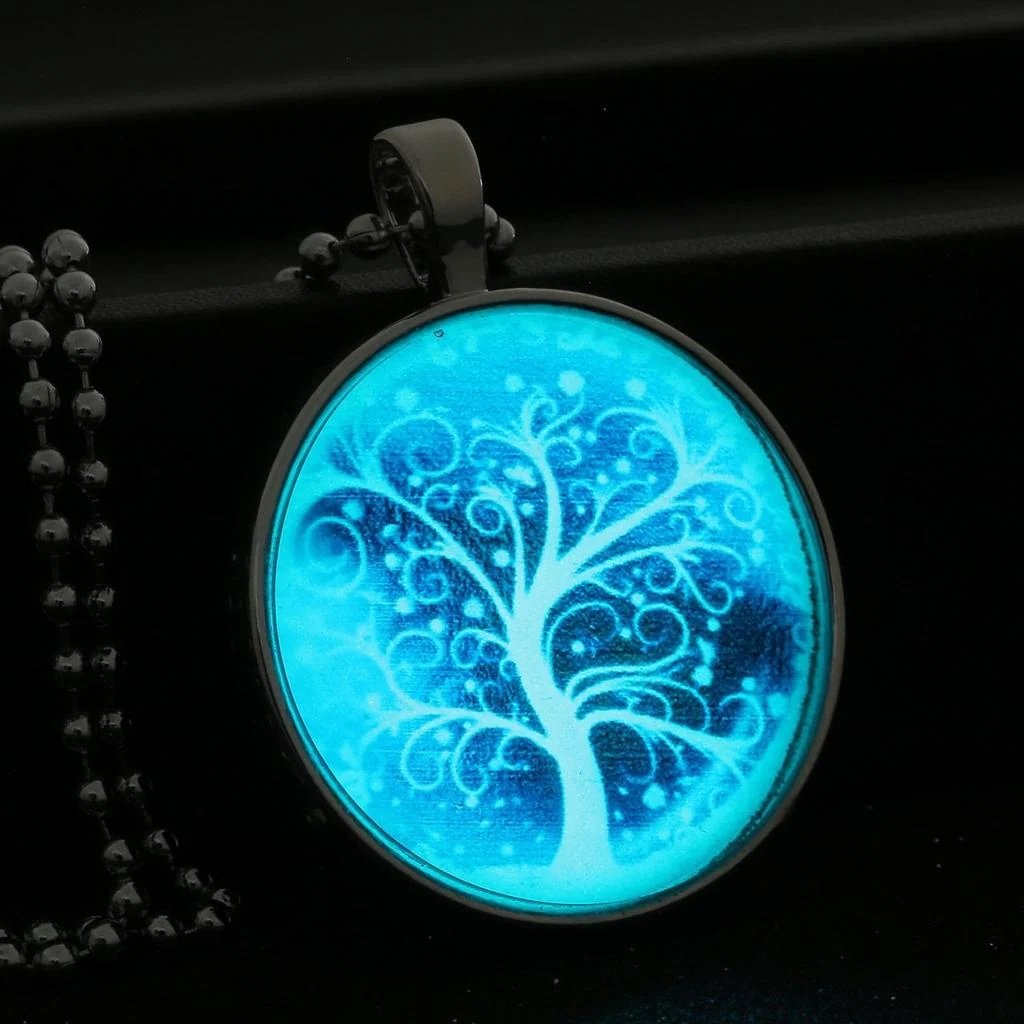
Sky-blue photoluminescent powder creates a cooler nighttime appearance than traditional yellow-green glow materials.
It can work particularly well for:
- modern landscape design
- water-themed projects
- decorative resin
- artistic coatings
- blue nighttime visual effects
During daylight, many sky-blue photoluminescent pigments appear much lighter than their nighttime glow color.
This day-to-night transformation is part of the visual appeal.
Glow Color and Daytime Color Are Different Things
A common buyer misunderstanding is assuming:
blue glow = blue powder during the day
Not necessarily.
Photoluminescent pigments can have a pale or off-white daytime appearance while producing a strong colored glow in darkness.
So product evaluation should always include:
daytime appearance + nighttime glow color
Both matter.
Road Marking Applications Need Additional Testing
If photoluminescent powder is used in road marking materials, the system should be tested for:
- adhesion
- wear resistance
- traffic exposure
- weather
- surface friction
- nighttime visibility
Photoluminescent performance is only one part of the specification.
The marking still needs to function as a durable pavement material.
Safety Signs Are Another Important Application
Photoluminescent powder can also be incorporated into:
- emergency signs
- escape route markings
- stair guidance
- safety coatings
These applications use the same basic principle:
charge under light → release stored energy after dark
But safety applications may have specific standards depending on the country and project.
Product selection should therefore consider local requirements.
Printing and Decorative Coatings

Photoluminescent powder can also be used in compatible printing and decorative systems.
Applications may include:
- screen printing
- logos
- wall art
- decorative graphics
- special-effect coatings
In these applications, the pigment must work with the chosen ink or binder.
The transparency of the system remains important.
Why White Undercoats Are Often Useful
A white or light base can serve two purposes.
First, it improves daytime appearance.
Second, it can improve light reflection behind the photoluminescent layer.
This can make the luminous layer appear stronger.
For testing, compare:
dark substrate
vs.
white substrate
using the same glow coating.
The difference can be significant.
Film Thickness Needs to Be Controlled
A very thin layer may contain too little luminous pigment.
A very thick layer may:
- increase cost
- affect curing
- change texture
- create application problems
So thickness should be selected together with pigment loading.
The best formulation is a balance between:
brightness + durability + workability + cost
Test Under Real Charging Conditions
Do not only test the product under a strong UV lamp.
If the final application will be outdoors, also test under:
- sunlight
- cloudy daylight
- shaded conditions
If the product will be indoors, test using the actual lighting environment.
A coating that looks excellent under laboratory UV light may appear different under real project conditions.
Evaluate Glow Over Time
Do not judge performance immediately after charging.
Record the appearance at several time points.
For example:
- immediately after darkness
- after a short interval
- later in the evening
This helps evaluate the afterglow decay.
A useful product is not simply one that looks bright for a few seconds.
Keep a Formulation Record
For each sample, record:
Pigment: Sky Blue Photoluminescent Powder
Binder: Clear Epoxy Resin
Pigment Loading: Sample A / B / C
Base Color: White
Application Thickness: Recorded
Charging Source: Daylight
Observation: Initial / Later
Result: Approved / Adjust Required
This makes future production much easier.
Common Formulation Mistakes
Using a Very Dark Binder
Reduces charging efficiency and visible glow.
Comparing Different Mixing Ratios Under Different Conditions
Creates unreliable results.
Adding Too Much Pigment Immediately
Can create viscosity and application problems.
Ignoring Sedimentation
May produce uneven glow.
Testing Loose Powder Only
Does not represent final product performance.
Using an Unstable Topcoat
Yellowing or degradation may change the final result.
A Better Development Process
For a new photoluminescent product, use this sequence:
Choose binder
→ Select pigment
→ Prepare several concentrations
→ Create samples
→ Charge equally
→ Observe over time
→ Evaluate daytime appearance
→ Test durability
→ Finalize formulation
This process reduces guesswork.
Frequently Asked Questions
Can photoluminescent powder be mixed with epoxy resin?
Yes, provided the pigment and resin system are compatible. A small test batch is recommended.
Can it be added to paint?
Yes, compatible transparent or light-colored coating systems can be used.
Why does my finished coating glow less than the loose powder?
Possible reasons include low pigment exposure, dark binder, insufficient pigment concentration, poor charging or excessive coating opacity.
Should I use a white base coat?
A white or light base often improves visible performance and is worth testing.
Can I add as much powder as possible?
Not necessarily. Excessive pigment loading can affect viscosity, application and mechanical properties.
Is sky-blue glow powder suitable outdoors?
That depends on the pigment grade and the complete binder system. Outdoor applications should test weather resistance and UV stability.
Final Thoughts
A good photoluminescent coating is not created by glow powder alone.
It is a complete formulation.
The final performance depends on:
photoluminescent pigment + binder transparency + pigment loading + base color + thickness + application method + charging conditions
For buyers and formulators, the most reliable approach is simple:
do not approve the powder only—approve the finished system.
A small formulation test before production can prevent much larger problems later.