

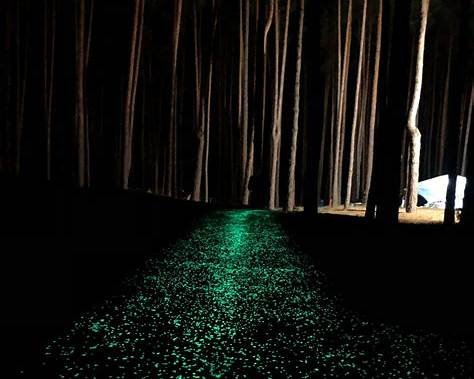
Photoluminescent pavement maintenance involves both the glow aggregate and the surrounding paving system. After one year, three years or longer, its appearance depends heavily on how the entire surface has been maintained.
Outdoor paths face dirt, leaves, rainfall, pedestrian and vehicle traffic, cleaning, temperature changes and surface wear. Keeping luminous particles exposed helps the surface receive light and maintain its nighttime appearance; cleaning is only one part of that work.
For contractors and project owners, this guide covers routine cleaning, surface inspection, loose aggregate, cracks, sealers and compatible repairs. Identify the condition of the pavement and address the underlying problem before restoring the luminous finish.
Why Photoluminescent Pavement Needs Maintenance
Glow aggregate works best when its exposed surface can receive daylight or artificial light.
If the aggregate becomes covered by:
-
dust
-
soil
-
leaves
-
algae
-
surface residue
less of the luminous face remains exposed.
That can make the pavement appear weaker at night even when the glow aggregate itself is still functioning normally.
So before assuming the material has “lost its glow,” inspect the surface first.
In many cases, the issue is simply:
reduced surface exposure.
Routine Cleaning for Photoluminescent Pavement

For most outdoor projects, basic cleaning is the first maintenance step.
Typical areas include:
-
park paths
-
garden walkways
-
resorts
-
courtyards
-
pedestrian trails
-
pool surroundings
-
landscape paving
The cleaning frequency depends on the environment.
A pathway in an open plaza may stay relatively clean.
A path under dense trees may collect:
-
leaves
-
pollen
-
soil
-
organic residue
much faster.
The goal is to keep the luminous aggregate visible without damaging the pavement.
Remove Leaves Before They Build Up

Leaves are easy to ignore because they seem temporary.
But a thick layer of leaves can cover a large percentage of the glowing surface.
This affects both:
daytime charging
and
nighttime visibility.
For forest paths and landscaped gardens, regular sweeping or blowing can be important during periods of heavy leaf fall.
A clean pavement surface usually provides a much clearer glow effect than one covered by natural debris.
Dirt Can Make Good Glow Aggregate Look Weak
This is one of the most common maintenance misunderstandings.
Imagine that 30% of the luminous surface is covered by dirt.
Even if the material underneath is still performing normally, the visible glow may appear noticeably weaker.
Adding more glow aggregate will not solve that problem.
Cleaning may.
This is why maintenance inspection should always happen before deciding that a luminous pavement needs material replacement.
Choose a Cleaning Method Suited to the Pavement
Cleaning is useful.
Over-cleaning can create another problem.
Very aggressive pressure washing, harsh mechanical brushing or inappropriate chemicals may affect:
-
concrete surface paste
-
exposed aggregate
-
sealers
-
resin systems
-
surface texture
The correct cleaning method depends on the pavement system.
Concrete, asphalt and resin-bound surfaces should not automatically be treated the same way.
For commercial projects, contractors should follow the maintenance recommendations of the complete paving system.
Inspect Aggregate Exposure After Cleaning
After cleaning, look closely at the surface.
Ask:
Can the luminous particles still be seen clearly?
Are they covered by a cement or coating film?
Are some areas significantly more exposed than others?
Have particles become loose?
This visual inspection can reveal whether the problem is:
-
contamination
-
surface wear
-
excessive coating
-
poor original installation
-
physical damage
It is much easier to choose the right repair method once the actual problem is identified.
Identify the Cause of Loose Glow Aggregate
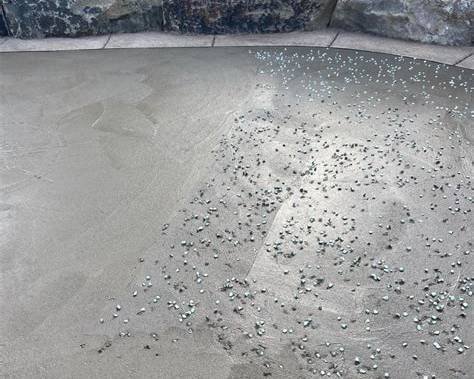
A well-installed glow stone should not behave like loose decorative gravel sitting on top of the pavement.
It should be part of the surface system.
If individual particles begin to detach, possible causes may include:
-
insufficient embedment
-
pavement wear
-
cracking
-
weak binder
-
aggressive cleaning
-
local impact damage
The correct response depends on how large the damaged area is.
A few isolated stones may require local repair.
Widespread aggregate loss may indicate a larger surface-system problem.
Do Not Simply Glue Loose Stones Back Everywhere
For a tiny decorative repair, local bonding may be possible with a compatible system.
But repeatedly gluing individual stones onto damaged pavement is not a good strategy for a larger failing area.
Why?
Because the visible loose stones may only be a symptom.
The underlying problem could involve:
-
weak surface concrete
-
damaged resin
-
cracking
-
delamination
-
improper embedment
A repair should restore the pavement system, not just the appearance.
Inspect Cracks Early
Cracks do not automatically mean the luminous material is failing.
Concrete and other pavements can crack for many reasons.
But cracks should still be inspected because they can affect:
-
surface integrity
-
water penetration
-
aggregate retention
-
visual continuity
A small isolated crack may be relatively easy to repair.
A moving or expanding crack may require investigation of the base or pavement structure.
Photoluminescent aggregate should never be used to hide a structural pavement problem.
Repair the Pavement First, Then Restore the Glow
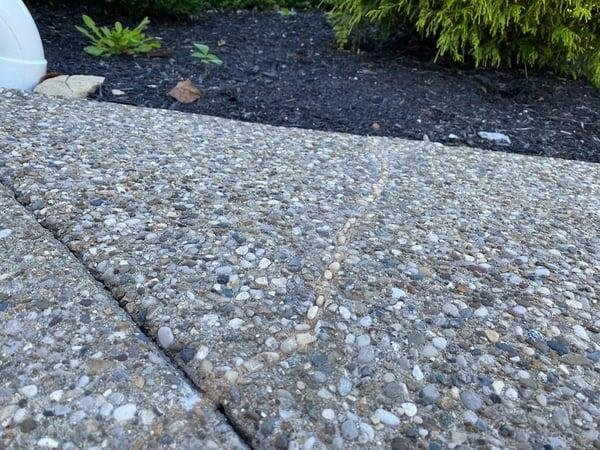
If a damaged area needs patching, the repair sequence should usually prioritize pavement performance.
First restore:
-
substrate stability
-
crack repair
-
patch strength
-
surface level
Then restore the luminous appearance.
This is important.
A repair may look bright at night but still fail quickly if the underlying pavement remains unstable.
Local Glow Repairs Should Match the Existing Surface
After the structural repair is complete, the replacement luminous area should match the surrounding pavement as closely as practical.
Important factors include:
-
glow color
-
particle size
-
particle density
-
surface texture
-
background color
For example, repairing a 1–5mm blue-green glow surface with large 10–20mm yellow-green stones will create an obvious visual patch.
For important projects, keep records of the original material specification.
That makes future repair much easier.
Keep Some Original Material for Maintenance
For larger projects, it can be useful to retain a small amount of the original photoluminescent aggregate after construction.
This material can help with:
-
future patching
-
color matching
-
particle-size matching
-
maintenance testing
The quantity required depends on project size and expected maintenance needs.
For commercial or municipal projects, this can be easier than trying to source an exact matching batch several years later.
Record the Original Product Specification
Project documentation should ideally include:
-
supplier
-
product name
-
glow color
-
particle size
-
batch information if available
-
installation method
-
coverage density
-
pavement type
-
sealer or coating used
This turns maintenance from guesswork into a repeatable process.
For contractors, good records also make it easier to support the project later.
Check Sealers and Clear Coatings
Some decorative pavements use a clear protective sealer or topcoat.
Over time, these layers may:
-
wear
-
become dirty
-
lose clarity
-
change gloss
-
require renewal
If the sealer becomes cloudy or heavily contaminated, the luminous aggregate underneath may appear weaker.
Before applying a new sealer, test a small area first.
A new clear coating can change:
-
nighttime appearance
-
surface gloss
-
slip resistance
-
perceived brightness
“Clear” does not always mean visually neutral.
Do Not Keep Adding Clear Coats Without Testing
A common maintenance reaction is:
“The surface looks dull, so let's add another clear coat.”
That is not always the best solution.
Multiple layers can alter the optical appearance of the aggregate.
They may also change the surface texture.
Before recoating, determine whether the real issue is:
-
dirt
-
old sealer
-
abrasion
-
aggregate exposure
-
coating deterioration
Then choose the maintenance method.
Asphalt Glow Paths Need Different Repair Thinking
Photoluminescent aggregate in asphalt is integrated differently from exposed aggregate concrete.
If an asphalt path develops:
-
potholes
-
edge failure
-
severe cracking
-
surface raveling
the asphalt repair comes first.
The repaired area can then be given a compatible luminous treatment during the appropriate stage of the new asphalt surface.
Trying to treat a failed asphalt patch purely as a “glow stone problem” misses the real issue.
Resin-Bound Glow Surfaces Need Binder Inspection
For resin-bound or resin-bonded glow surfaces, inspect the binder as well as the aggregate.
Look for:
-
yellowing
-
cracking
-
debonding
-
loose stones
-
localized wear
If the resin system fails, adding more luminous aggregate alone will not restore the surface.
A compatible resin repair may be required.
This is another reason the supplier of the glow aggregate and the installer of the pavement should not be treated as the same technical role.
The complete system matters.
Poolside Areas Need Special Attention
Poolside photoluminescent paving is exposed to:
-
water
-
cleaning
-
wet/dry cycles
-
pool chemicals
-
barefoot traffic
Maintenance should prioritize both appearance and safety.
Check:
-
surface texture
-
slip resistance
-
loose particles
-
coating condition
Never increase nighttime appearance at the expense of a safe walking surface.
Compare the Same Area Over Time
If the project owner wants to monitor long-term performance, take reference photos after installation.
Then photograph the same location later using:
-
similar camera position
-
similar time after sunset
-
similar charging conditions
This helps distinguish real changes from differences caused by photography.
A phone's automatic night mode can make two identical surfaces look very different.
Consistent documentation is more useful than dramatic photos.
Don't Compare a Dirty Old Surface With a Fresh Sample
Another common mistake is comparing:
a brand-new clean laboratory sample
against
a dirty outdoor pavement that has been installed for years.
That is not a fair comparison.
Before evaluating long-term glow performance:
-
Clean the installed surface.
-
Give it comparable light exposure.
-
View it under similar darkness.
-
Then compare.
This provides a much better indication of whether the material or the maintenance condition has changed.
When Does a Local Repair Make Sense?
Local repair is useful when the damage is limited.
Examples include:
-
a small crack repair
-
isolated aggregate loss
-
localized impact damage
-
a small utility cut
-
minor pavement patching
The repaired zone should be blended into the surrounding luminous pattern.
Perfect visual matching may not always be possible, but careful material selection can reduce the difference.
When Is Larger Resurfacing Better?
If damage is widespread, patching dozens of small areas may create a poor result.
Larger resurfacing may be more practical when there is:
-
extensive surface wear
-
widespread delamination
-
many cracks
-
severe aggregate loss
-
major pavement repair
In these situations, evaluate whether the luminous layer should be rebuilt as part of a broader pavement rehabilitation.
Maintenance Costs Should Be Included in Project Planning
When estimating a photoluminescent pathway, project cost should not stop at installation.
A realistic plan may include:
-
routine cleaning
-
inspections
-
occasional local repairs
-
sealer maintenance if applicable
-
pavement repair
This does not mean the system is high-maintenance.
It means that, like any outdoor pavement, it should be maintained according to the conditions it experiences.
Annual Photoluminescent Pavement Inspection Checklist
For many projects, a periodic visual inspection can focus on:
-
cleanliness
-
leaf or soil buildup
-
aggregate exposure
-
loose stones
-
cracks
-
coating condition
-
drainage
-
surface texture
-
nighttime visibility
Documenting these points regularly can help identify small issues before they become larger repairs.
What Should Contractors Leave With the Client?
After installation, contractors can improve long-term project results by providing a simple maintenance record.
Useful information includes:
Product: Photoluminescent Aggregate
Color: Blue / Blue-Green / Yellow-Green
Particle Size: 1–5mm / 5–10mm / 10–20mm
Pavement Type: Concrete / Asphalt / Resin
Installation Method: Surface seeded / exposed / rolled / bonded
Recommended Cleaning: According to pavement system
Original Supplier: Recorded for future material matching
This is a small step that can make future maintenance much easier.
Frequently Asked Questions
Why does my glow pathway look weaker after some time?
First check for dirt, leaves, surface residue, coating changes or reduced aggregate exposure before assuming the luminous material itself has failed.
Can I pressure wash photoluminescent pavement?
It depends on the pavement system and condition. Avoid unnecessarily aggressive cleaning that could damage exposed aggregate, concrete or binder.
What should I do if glow stones become loose?
Inspect the surrounding pavement first. Local repair may be possible, but widespread aggregate loss may indicate a larger surface problem.
Can damaged areas be patched?
Yes, local repairs can be made when the pavement system allows it. Match the original glow color, particle size and density as closely as possible.
Should I keep extra glow aggregate after installation?
For larger projects, keeping a small amount of matching material can make future repairs easier.
Can a clear sealer restore brightness?
Sometimes a suitable surface treatment may improve appearance, but adding coatings without testing can also change glow, gloss and slip resistance.
A Practical Maintenance Principle
For photoluminescent pavement, maintenance should follow this order:
clean → inspect → identify the real problem → repair the pavement → restore the luminous finish.
Do not begin by adding more glow stones.
The material may still be functioning perfectly underneath dirt, coating residue or a damaged surface.
Final Thoughts
A well-designed photoluminescent pathway should be treated as a pavement system, not simply a layer of glow stones.
Long-term performance depends on:
surface cleanliness + aggregate exposure + pavement condition + compatible repairs.
Routine cleaning can help maintain visibility.
Regular inspection can identify loose particles or cracks early.
And when repair is needed, restoring the pavement structure should come before restoring the luminous appearance.
For larger projects, keeping original material specifications and a small quantity of matching aggregate can make future maintenance much easier.