

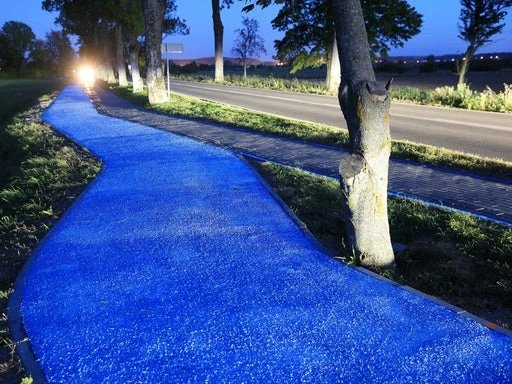
Many landscape contractors, civil engineers and property owners are fascinated by the magical night glow of photoluminescent aggregate pathways. But one critical question is often overlooked before project bidding and construction: Will glow-in-the-dark aggregate survive harsh cold winters, repeated freeze-thaw cycles, snow removal and de-icing salts?
Most existing guides focus on installation methods, brightness testing and cost estimation. Few dive deep into cold-climate field performance, hidden failure risks and proven protective measures. This article summarizes real-world winter project cases to help you avoid costly pavement cracking, glow fading and early project failure in low-temperature regions.
What Happens to Photoluminescent Pavement Under Freeze-Thaw Conditions?
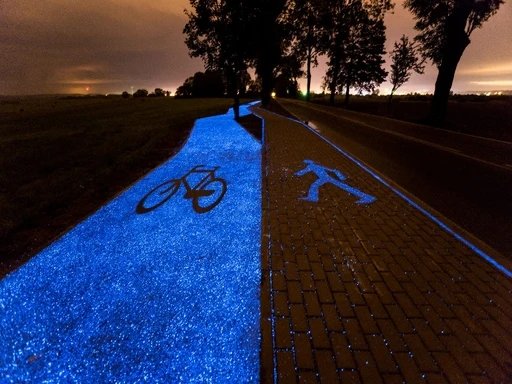
Photoluminescent aggregate itself is chemically stable and not easily damaged by low temperatures. The main failure points are the binder matrix and the interface between glowing aggregate and base material.
When moisture penetrates tiny gaps inside concrete or resin pavement, water freezes and expands in cold weather. The expansion force will create microcracks. As freeze and thaw repeat, cracks gradually expand:
- Delamination: The glowing aggregate peels off from the pavement surface, losing luminous particles.
- Glow decay: De-icing salt seeps into pores, contaminates the surface of photoluminescent stone, blocks light absorption and cuts nighttime brightness.
- Pavement structural damage: Surface spalling, potholes and broken edges destroy the whole pathway.
Many failed winter projects are not caused by poor quality glow stones, but by ignoring moisture protection and matrix selection in cold environments.
Key Material Selection Rules for Cold-Climate Photoluminescent Pavement
Choose the right base binder
- Concrete base: Must use air-entrained concrete. The tiny air bubbles inside absorb freeze expansion pressure and greatly reduce cracking risk. Ordinary plain concrete is not recommended for cold regions.
- Resin bound system: Select low-temperature flexible outdoor resin. Rigid resin will become brittle in freezing weather and crack easily. Confirm the resin’s working temperature range before purchase.
Photoluminescent aggregate screening
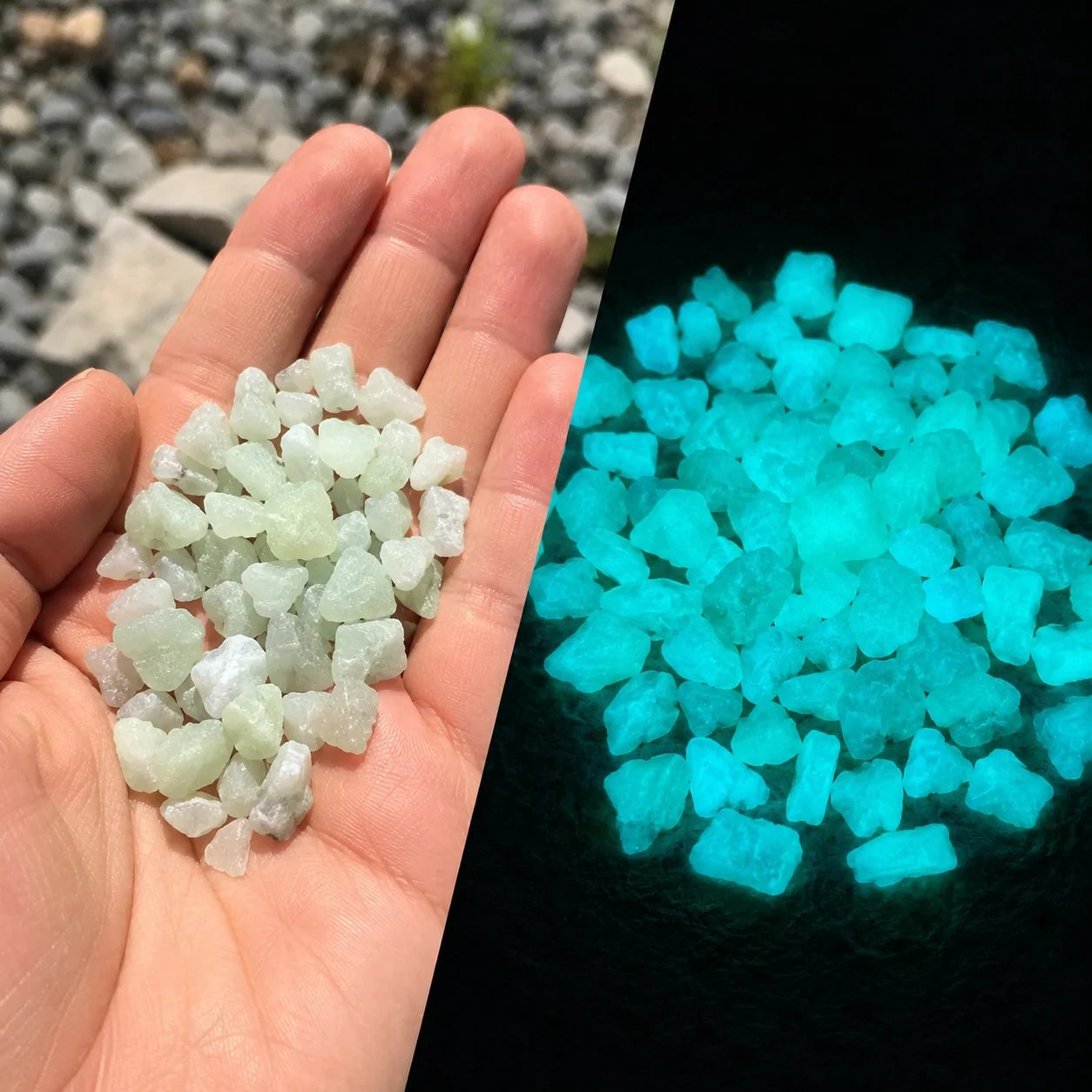
Pick high-density, low-water-absorption glow aggregate. Porous cheap luminous stones soak up more water, and are far more vulnerable to freeze-thaw damage. Ask your supplier for water absorption test reports before bulk purchase.
De-icing chemical compatibility
Standard rock salt will slowly degrade resin and leave residues on luminous aggregate. If snow removal with salt is required:
- Use milder alternative de-icing agents.
- Avoid spreading de-icing chemicals heavily on the glowing pavement surface.
Construction Adjustments for Cold Weather Projects
- Avoid installation in freezing temperatures Do not pour concrete or lay resin when ambient temperature sits near or below freezing. Low temperature slows curing, leaves uncured weak layers that trap water, which will fail once frost arrives. Schedule construction in mild spring or autumn.
- Slope and drainage design is non-negotiable Build gentle cross slope on pathways. Standing water is the biggest enemy in cold climates. Add edge drainage channels to drain rain and melted snow quickly and prevent water pooling on luminous pavement.
- Controlled finishing & sealing After exposed aggregate finishing, apply a breathable penetrating sealer once the pavement is fully cured. The sealer reduces water infiltration without fully sealing the substrate, balancing freeze-thaw resistance and light charging ability for the glow stones.
Important note: Do not use thick film-forming sealers that fully cover the aggregate surface. They block sunlight charging and kill the luminous effect.
Winter Maintenance Checklist for Photoluminescent Pathways
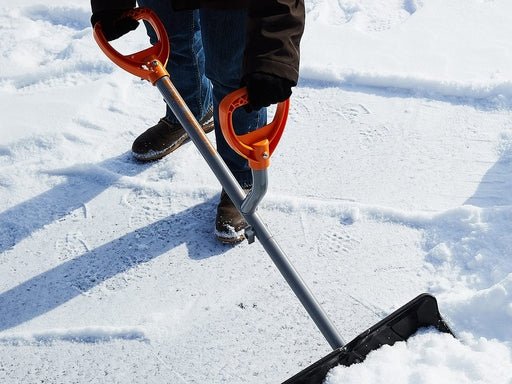
- Snow removal: Use rubber-edge snow shovels or plastic snow blowers. Metal blades will scrape and chip off luminous aggregate. Never use heavy metal plows directly on glow pavement.
- Annual inspection: Check surface microcracks and delamination every autumn before frost comes. Fill small cracks with flexible repair filler to stop water intrusion.
- Cleaning: Wash salt residues off the surface with low-pressure water in early spring to prevent long-term chemical erosion.
Real Case Reference
A community park bike trail in a northern cold zone installed photoluminescent aggregate. The first batch skipped air-entrained concrete and drainage design. After one winter, partial surface spalling appeared, and a notable portion of glowing stones fell off.
In the reconstruction project, the team switched to air-entrained concrete, optimized slope drainage, and applied breathable sealer. The pavement still maintains stable luminous performance through multiple freeze-thaw winters.
Frequently Asked Questions
Q: Can I install photoluminescent aggregate on existing old concrete in cold areas?
A: It depends on the base condition. If the old concrete already has wide cracks and loose spalling, do not overlay glow aggregate directly. The old slab will keep moving and destroy the luminous top layer. Repair or replace damaged base first.
Q: How long can glow pavement last in cold climates?
A: With proper material selection, drainage design and annual maintenance, high-quality photoluminescent pavement can retain usable glow performance for many years. Poor construction may fail within just a few winter seasons.
Q: Does snow cover permanently damage the luminous stones?
A: Temporary snow cover does not damage the aggregate itself. Snow simply blocks light charging. Once snow melts, the glow function recovers, as long as melting water does not penetrate into pavement cracks.
Final Takeaway
Photoluminescent aggregate absolutely can work in cold-climate outdoor pavement, but it needs a cold-adapted system design rather than a one-size-fits-all installation method. The core of winter durability is controlling water intrusion, selecting freeze-resistant binder, and adopting gentle snow management.
Before you start your next cold-region luminous pathway project, evaluate freeze-thaw risks in the site, verify material lab test data, and reserve budget for drainage and sealing. Good design keeps your glowing path shining beautifully through every winter.