

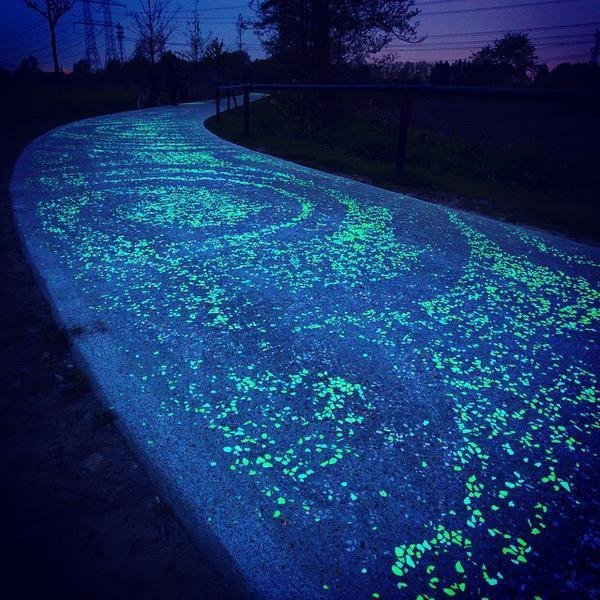
A pathway is not only a way to move from one place to another.
In landscape design, a pathway can create:
-
atmosphere
-
direction
-
visual identity
-
user experience
During the daytime, a path may appear simple and natural.
After dark, a photoluminescent pathway can create a completely different visual experience.
Unlike traditional lighting systems, photoluminescent materials are integrated into the pavement surface.
They do not create a strong beam of light.
Instead, they create a soft luminous effect that follows the shape of the pathway.
For designers, the challenge is not simply adding glow materials.
The challenge is creating a pathway that looks beautiful, feels natural and remains functional.
Start With the Purpose of the Space
Before selecting glow aggregate, understand how the area will be used.
Different spaces require different designs.
Garden Path
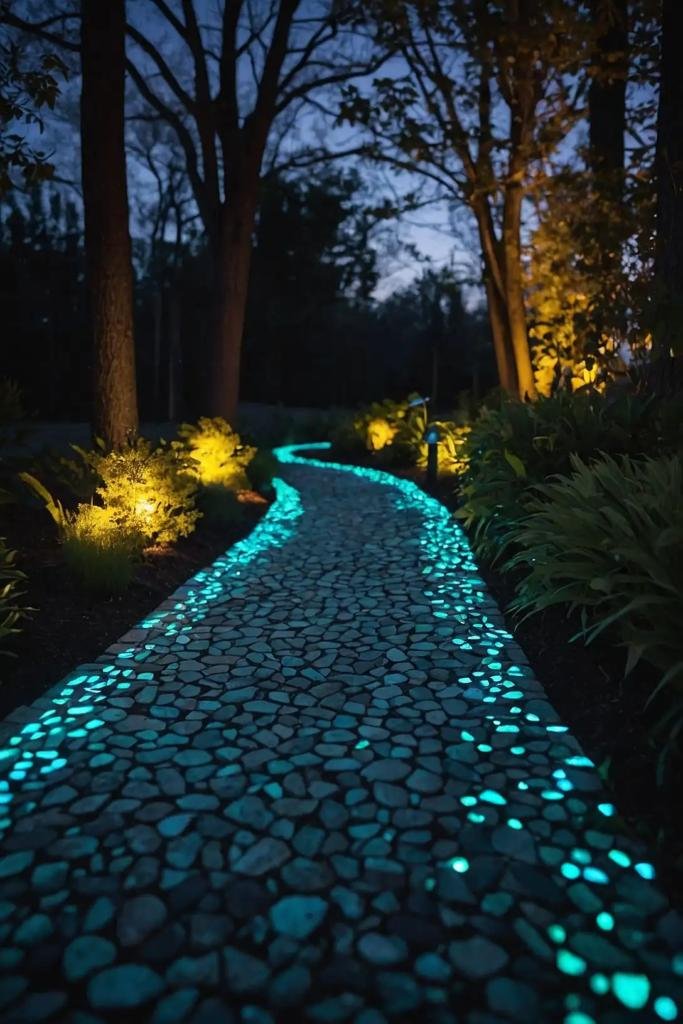
A garden path usually focuses on:
-
atmosphere
-
decoration
-
relaxation
A subtle glow pattern may be more suitable than a fully glowing surface.
Park Trail
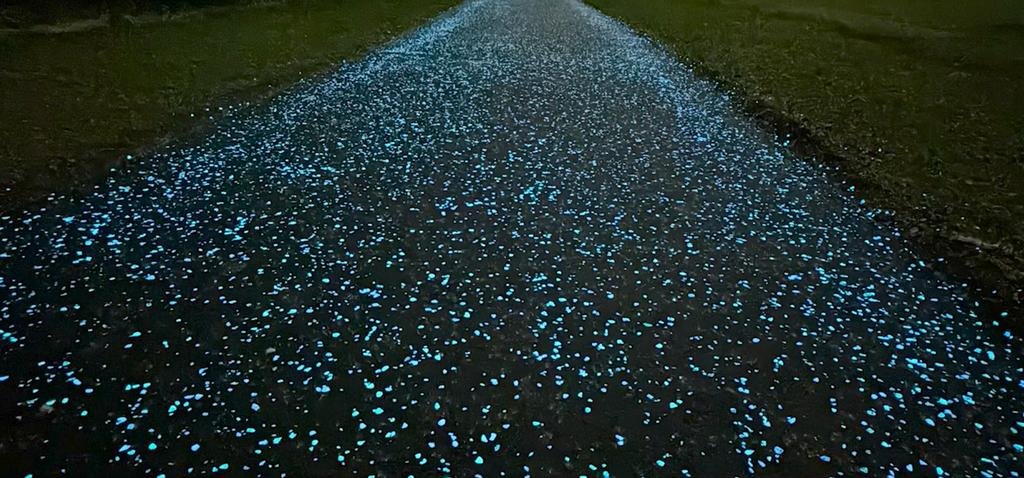
A public park trail may require:
-
route recognition
-
longer viewing distance
-
clearer pathway edges
Resort Walkway
A resort pathway may focus on:
-
premium appearance
-
guest experience
-
landscape identity
Bike Path
A cycling route requires more attention to:
-
speed
-
curves
-
visibility distance
The same material can create completely different results depending on the design purpose.
Choose the Right Glow Color
Glow color is one of the first decisions in landscape design.
Different colors create different moods.
Blue-Green Glow
Blue-green is one of the most popular choices.
It creates a calm and modern atmosphere.
Suitable for:
-
waterfront paths
-
parks
-
resorts
-
contemporary landscapes
Yellow-Green Glow
Yellow-green usually creates stronger visual contrast.
Suitable for:
-
route edges
-
guidance areas
-
darker environments
Blue Glow
Blue creates a cooler, more futuristic appearance.
Suitable for:
-
modern architecture
-
artistic landscape projects
-
feature pathways
The best color should match:
-
surrounding plants
-
pavement color
-
architectural style
-
project atmosphere
Decide Between Full Glow and Decorative Patterns
A common design question is:
Should the entire pathway glow?
Not always.
There are several approaches.
Full-Surface Glow
The entire pavement contains luminous material.
Advantages:
-
strong visual impact
-
continuous glow effect
Suitable for:
-
feature areas
-
landmark projects
-
special attractions
Edge Glow
Glow material is concentrated along pathway borders.
Advantages:
-
defines the route
-
uses less material
-
creates elegant appearance
Suitable for:
-
gardens
-
parks
-
trails
Pattern Design
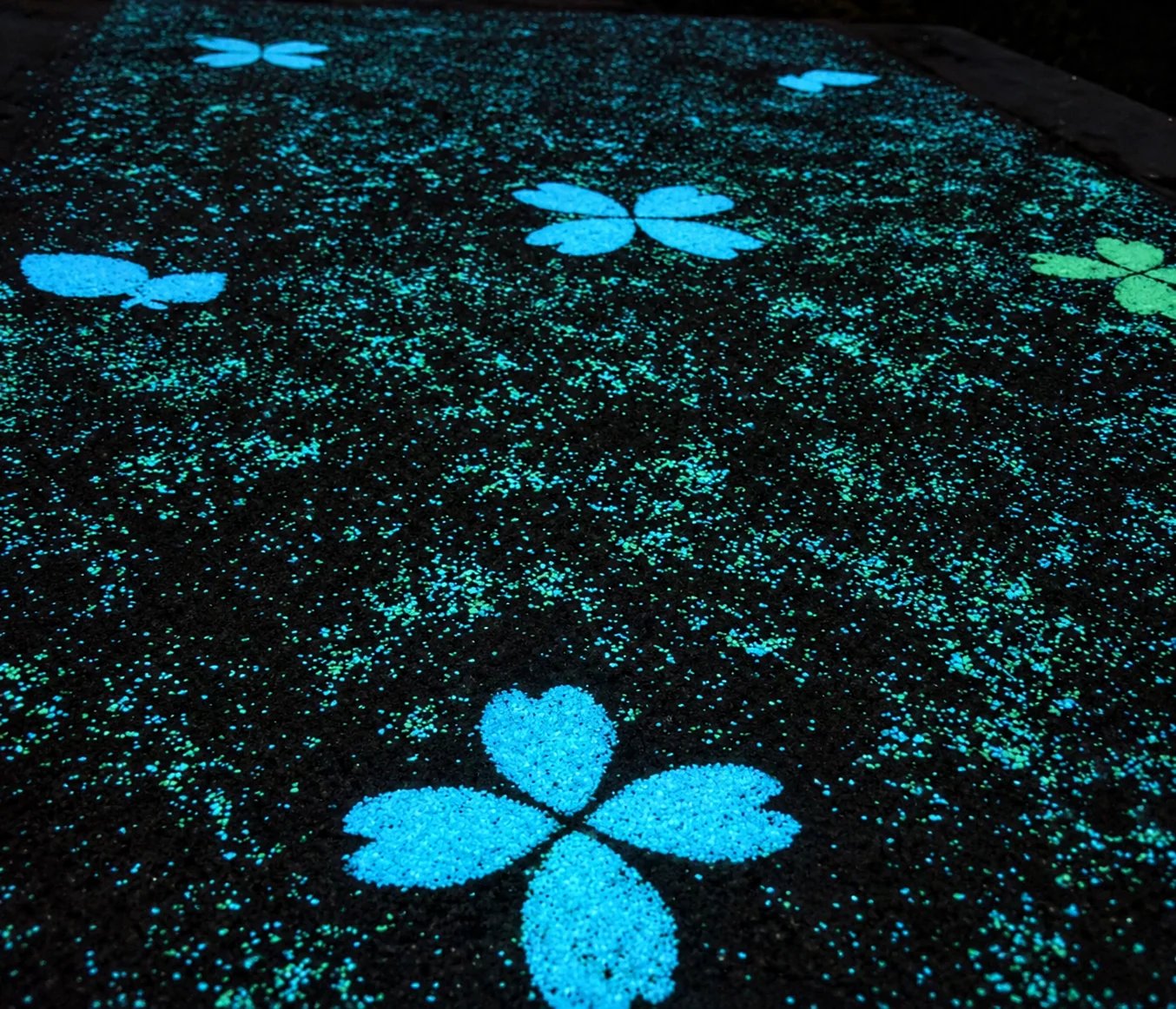
Glow aggregate can also create:
-
waves
-
stars
-
symbols
-
logos
-
directional patterns
This is useful for creating a unique landscape identity.
Design the Pathway Around Movement
A pathway is experienced while moving.
This is different from looking at a static image.
A designer should consider:
-
walking speed
-
cycling speed
-
viewing distance
-
turning points
For example:
A small decorative pattern may look beautiful from 50 cm away.
But it may disappear when viewed from 10 meters away.
Large public paths usually need simpler and clearer patterns.
Curves Need Special Attention
Straight pathways are easy to follow.
Curved pathways require more visual guidance.
Useful design strategies include:
-
brighter edge areas
-
wider luminous bands
-
stronger glow zones
Important locations include:
-
sharp curves
-
intersections
-
entrances
-
bridges
-
stairs
These areas naturally attract user attention.
Combine Glow With Landscape Elements
A successful pathway design does not exist alone.
It should connect with the surrounding landscape.
Consider:
-
trees
-
water features
-
rocks
-
gardens
-
buildings
-
seating areas
Examples:
Forest Path
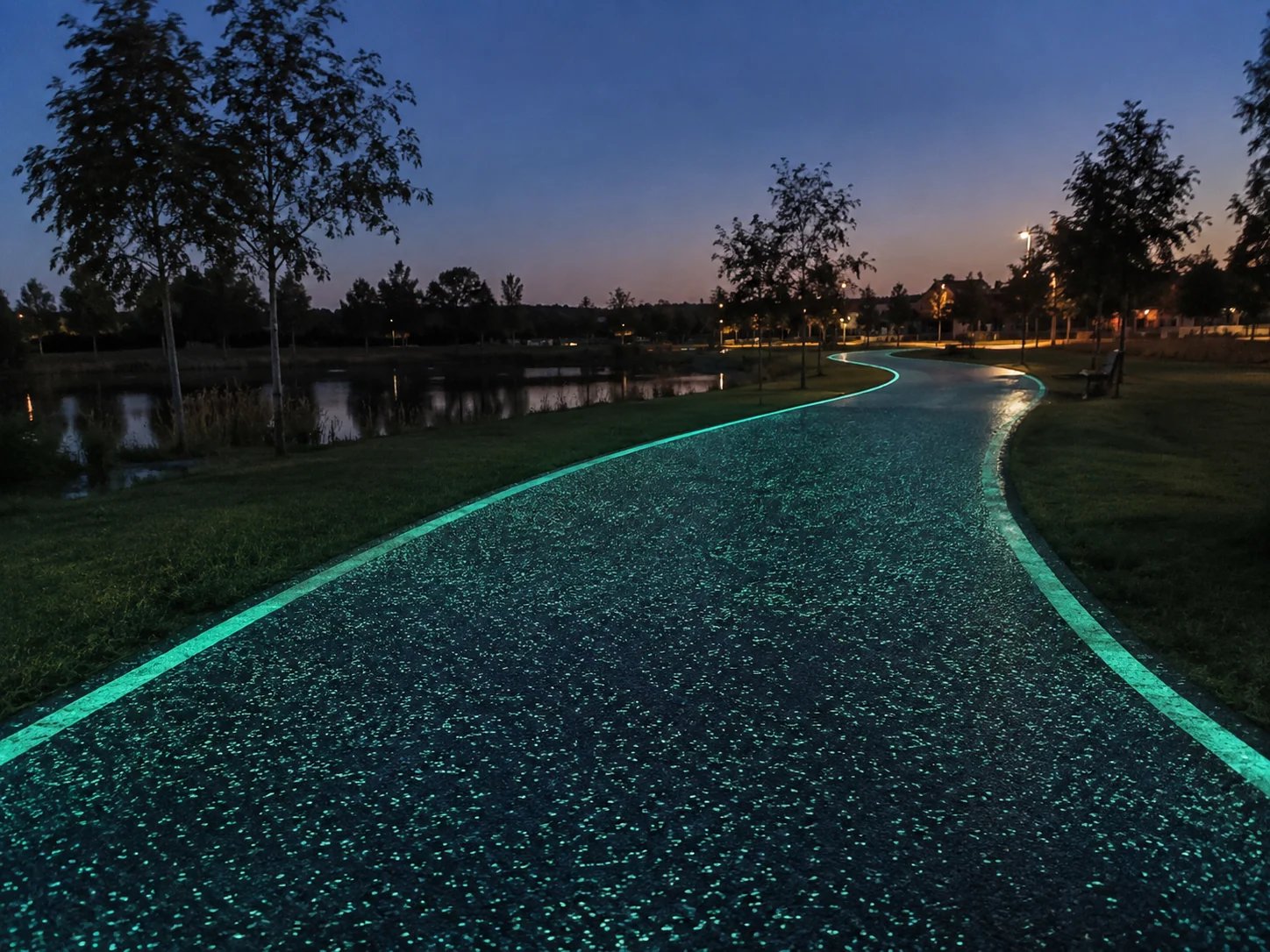
A softer blue-green glow can complement natural surroundings.
Waterfront Trail
Blue tones can connect visually with water.
Modern Plaza
Strong geometric patterns may match architectural forms.
Consider the Daytime Appearance
One common design mistake is focusing only on the night effect.
A pathway exists during the day too.
During daylight, consider:
-
particle color
-
pavement texture
-
overall appearance
-
compatibility with landscape materials
A good photoluminescent pathway should look attractive both day and night.
Select the Right Pavement Base
Photoluminescent materials can be integrated into different pavement systems.
Concrete
Suitable for:
-
parks
-
gardens
-
plazas
Advantages:
-
flexible design
-
decorative finishes
-
pattern possibilities
Asphalt
Suitable for:
-
bike paths
-
long trails
Advantages:
-
dark background contrast
-
large area applications
Resin-Bound Surface
Suitable for:
-
premium landscapes
-
residential projects
-
resorts
Advantages:
-
decorative appearance
-
color flexibility
The pavement system should match the project requirements.
Use Sample Panels Before Construction
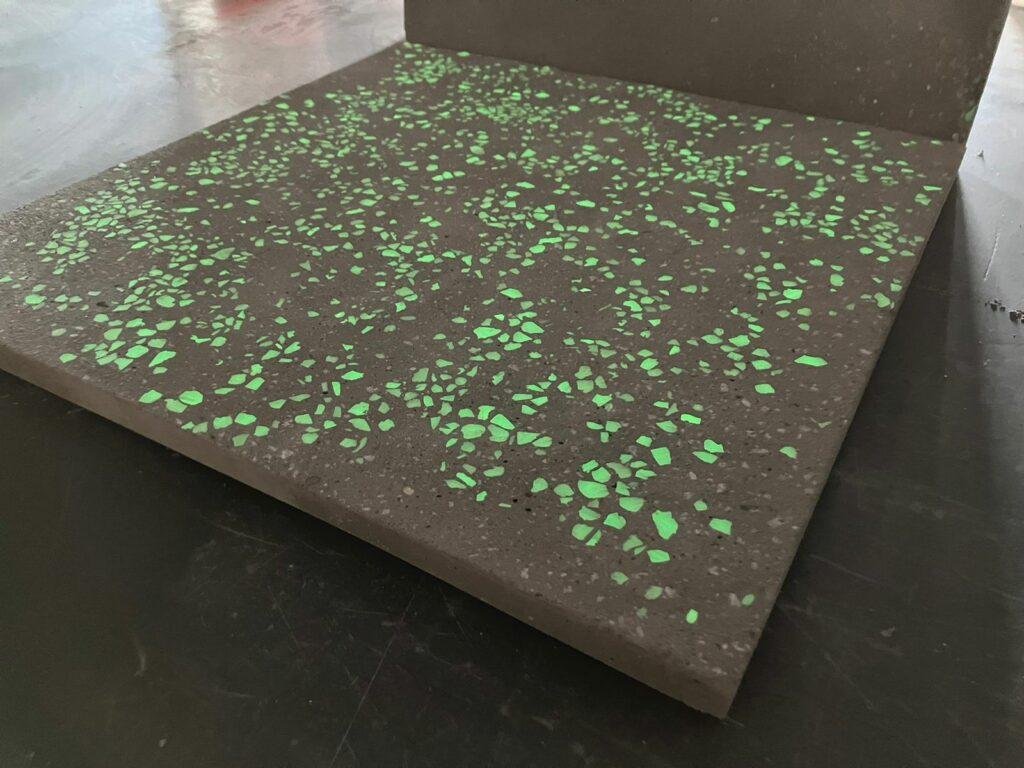
A design concept may look different after installation.
A sample panel helps confirm:
-
glow color
-
particle size
-
density
-
daytime appearance
-
nighttime effect
Professional landscape projects usually benefit from testing before full installation.
Think About the Surrounding Light Environment
The same glow pathway can look different in different locations.
A park with no nearby lights:
-
stronger contrast
An urban plaza:
-
softer appearance
Consider:
-
street lights
-
buildings
-
vehicle lights
-
landscape lighting
The surrounding environment is part of the design.
Maintenance Should Be Included in the Design
A beautiful pathway also needs long-term planning.
Outdoor surfaces may collect:
-
leaves
-
dust
-
soil
-
organic debris
These can cover luminous particles.
Design should consider:
-
cleaning access
-
drainage
-
surrounding vegetation
-
maintenance frequency
A practical design is easier to maintain.
Create a Visual Experience, Not Just a Glowing Surface
The best photoluminescent pathways do not simply add brightness.
They create an experience.
Examples:
A garden path can feel magical.
A resort walkway can feel premium.
A park trail can feel safer and more inviting.
A scenic route can become a memorable destination.
The material is only one part of the design.
The final result depends on:
-
layout
-
environment
-
installation
-
maintenance
Frequently Asked Questions
Can photoluminescent pathways be customized?
Yes. Designs can include different colors, patterns, borders and decorative features.
Is full glow better than partial glow?
Not always. The best choice depends on the project purpose and budget.
Which color is best for landscape design?
Blue-green, blue and yellow-green are common choices, but the final selection depends on the environment.
Can glow pathways be used in parks?
Yes. Parks, gardens and scenic trails are common applications.
Does the pathway need lighting?
Photoluminescent pavement provides a glow effect but should be designed together with any required safety lighting.
Final Thoughts
A successful photoluminescent pathway is not created by adding as much glow material as possible.
It is created through thoughtful design:
right color + right layout + right pavement system + right environment
For landscape designers, photoluminescent aggregate provides a new way to combine pavement and nighttime atmosphere.
The best projects are not only visible after dark.
They become part of the landscape experience.