

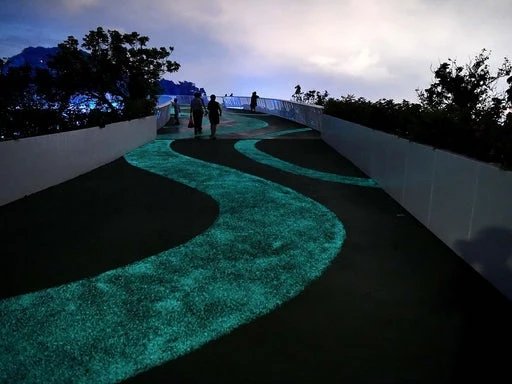
Photoluminescent glow pavement brings stunning night landscape effects for parks, scenic trails and riverside walkways. However, many finished projects run into unexpected problems within a short period: dim glow, aggregate peeling, surface cracking and freeze-thaw damage. Most failures are not caused by the luminous aggregate itself, but poor base handling, wrong material selection or unsuitable construction. This article breaks down frequent issues, analyzes root causes and shares proven prevention solutions.
 Alt text: Comparison of damaged photoluminescent pavement and intact luminous walkway
Weak Luminous Brightness or Short Glowing Time
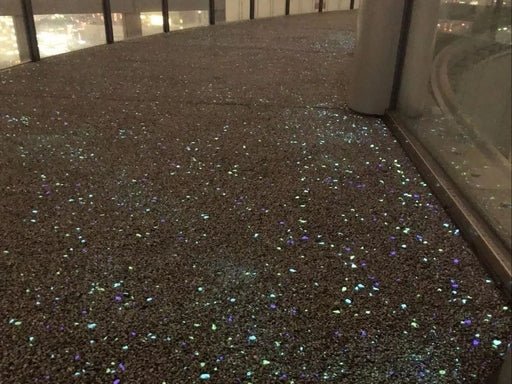
Symptoms
The pavement barely lights up after dark, or only glows for a short period.
Root Causes
Low-grade porous luminous aggregate with poor light storage capacity. Too much binder covering the surface of glow stones; stones cannot absorb sunlight. The site is heavily shaded by trees or buildings, insufficient daylight charging.
Prevention
Select high-density, low-water-absorption photoluminescent aggregate. Adopt exposed aggregate technology to keep luminous stones partially exposed. Avoid fully shaded locations. If shade is unavoidable, reserve auxiliary low-power lighting.
Aggregate Peeling & Surface Delamination
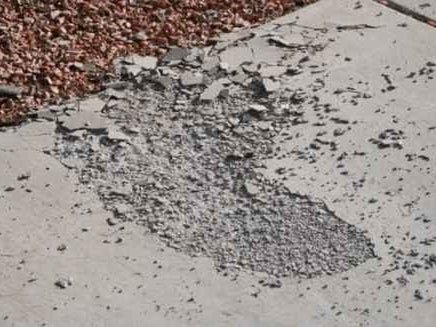
Symptoms
Luminous stones fall off in patches, forming bare areas on the walkway.
Root Causes
Weak, dusty or wet base layer; poor bonding between base and surface layer. Incorrect binder selection, insufficient adhesive strength. Water trapped under the surface layer.
Prevention
Fully clean and dry the base before construction. Repair loose base concrete first. Choose high-adhesion resin or concrete binder matched to local climate. Design reasonable drainage slope to drain rainwater quickly.
 Alt text: Close-up of peeling photoluminescent pavement surface, luminous aggregate falling off
Cracking & Freeze-Thaw Damage (Critical for Cold Regions)
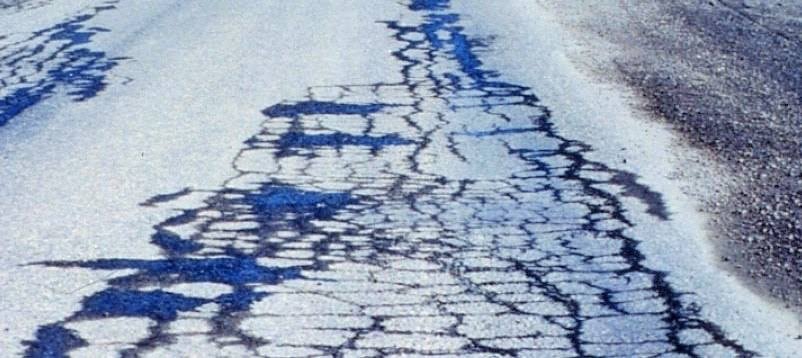
Symptoms
Fine cracks spread across the surface; surface spalling appears after winter freeze and thaw cycles.
Root Causes
Ordinary non-air-entrained concrete base. Water freezes and expands inside, breaking the pavement. Rigid resin used in cold areas, becomes brittle under low temperature. Water seeps into microcracks before frost.
Prevention
Use air-entrained concrete for the base in cold freeze-thaw zones. Switch to low-temperature flexible resin for resin-bound systems. Complete crack inspection and repair every autumn before frost season.
Contamination & Accelerated Brightness Degradation
Symptoms
Surface turns dark, glow weakens gradually due to dirt, mud and de-icing salt residues.
Root Causes
Sand and grit scratch the pavement surface. Rock salt remains on the surface after snow removal, eroding binder and luminous stones.
Prevention
Regular surface sweeping to clear abrasive grit. Use rubber-edge snow shovels only; ban metal blades and heavy snow plows. Rinse salt residues with low-pressure water in early spring. Choose mild de-icing agents instead of standard rock salt.
Uneven Color & Irregular Glow Distribution
Symptoms
Some sections glow brightly while others stay dark, patchy visual effect.
Root Causes
Uneven mixing of luminous aggregate; inconsistent thickness during on-site paving.
Prevention
Control mixing ratio strictly. Spread the surface layer evenly and keep consistent thickness during construction.
Quick Troubleshooting & Maintenance Guide
Small microcracks: Fill with flexible repair filler to block water intrusion. Local peeling: Grind the damaged area, clean thoroughly and repair with matching luminous material. Dim surface from dirt: Gentle low-pressure washing, avoid high-pressure jet washing.
FAQ
Q: Is luminous aggregate easy to fail in cold winter? A: The luminous stone itself is stable. Failures usually happen to binder and base, not the glow aggregate. Proper anti-freeze design solves most winter damage.
Q: Can I repair old damaged glow pavement? A: Partial local repair is possible. If large areas are delaminated, full resurfacing is recommended.
Q: What is the biggest mistake in glow pavement projects? A: Ignoring drainage and base quality. A beautiful surface cannot save a weak base.