
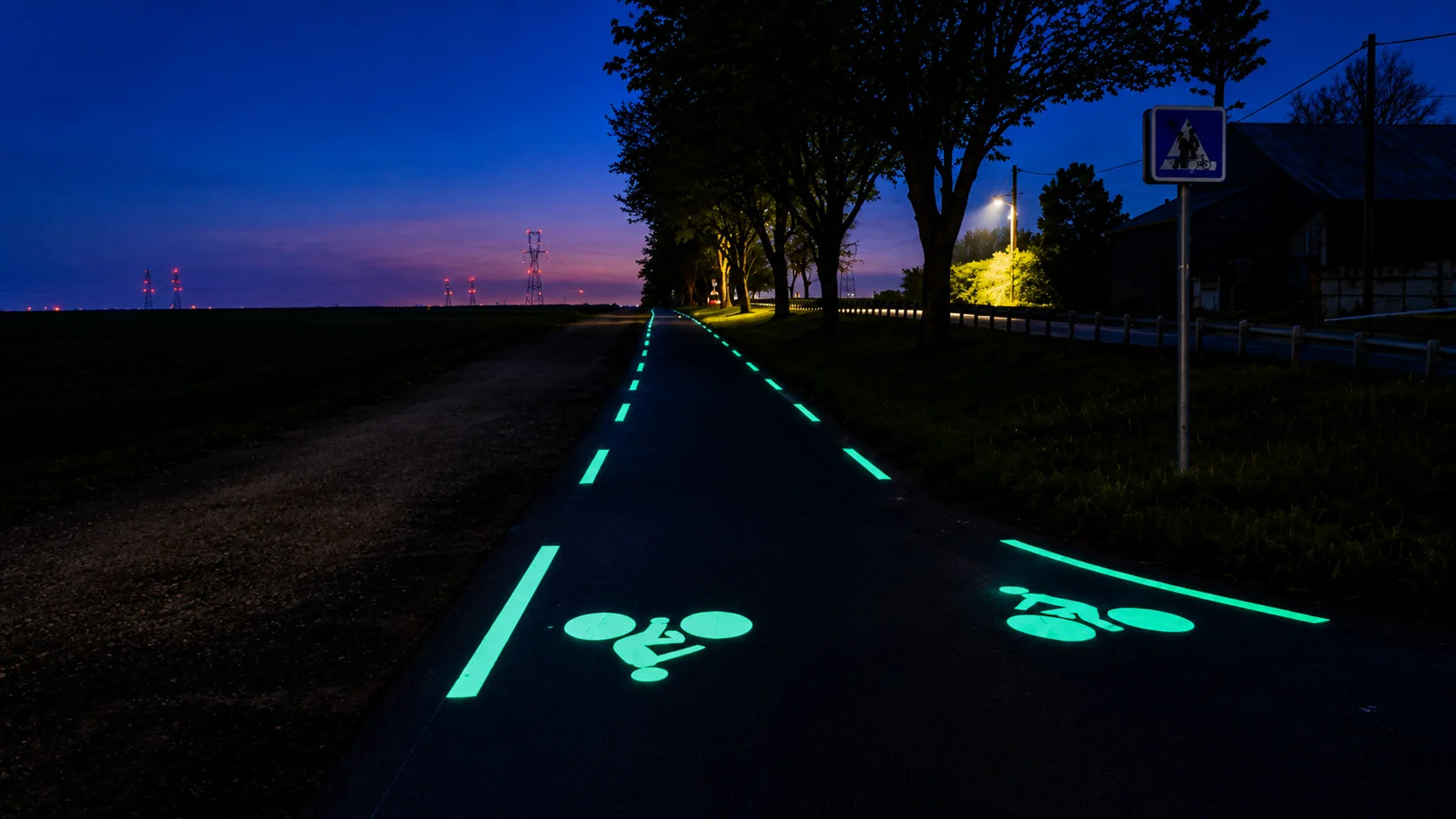
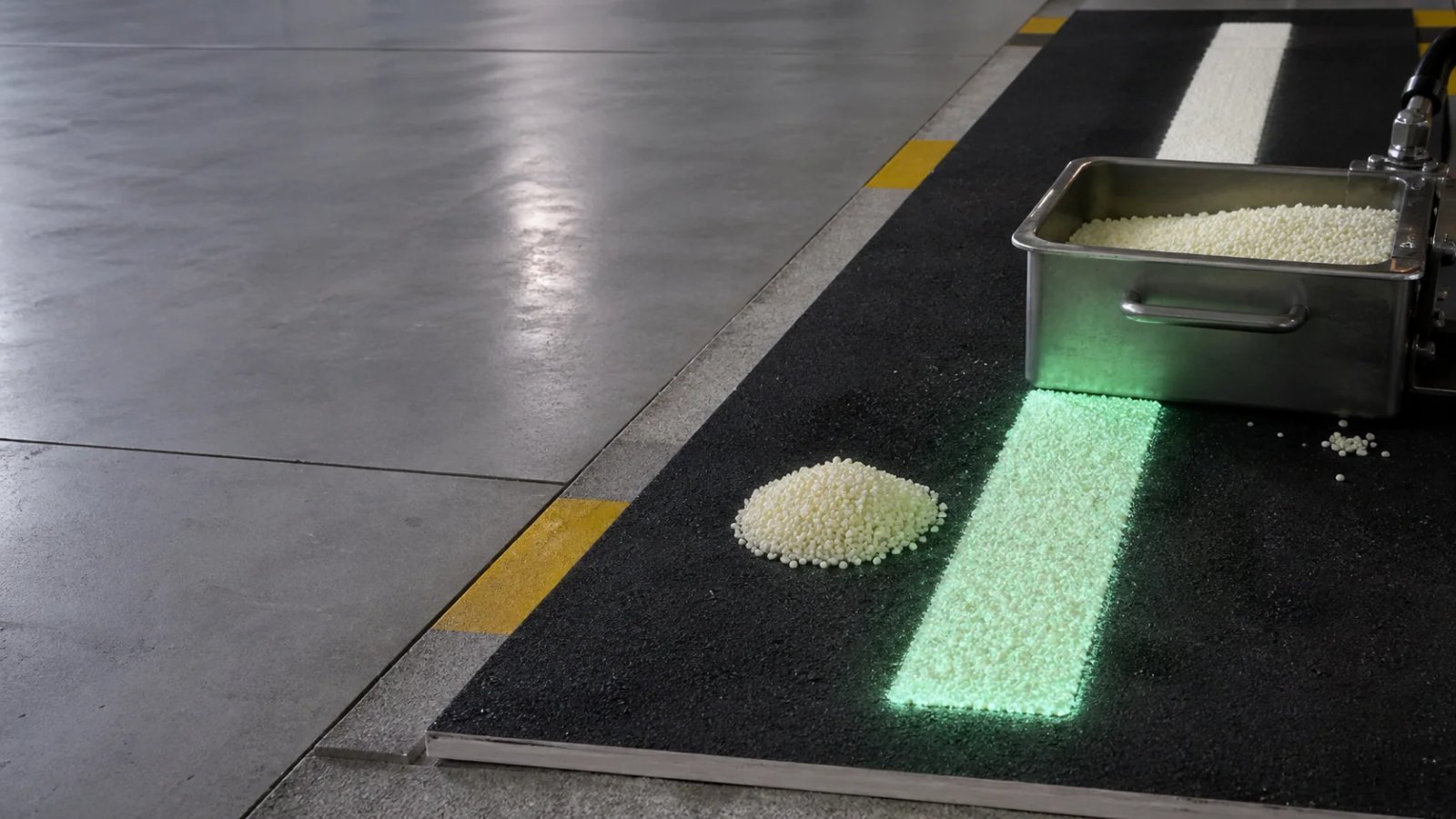
For facility and public-realm operators, keeping luminous road marking surfaces clean, legible, and consistent over time starts with a site-specific brief rather than a generic product claim. A luminous marking is part of a complete pavement, lighting, wayfinding, and maintenance system.
The right result depends on how the route is used, how much charging light reaches the surface, and how the marking interacts with the existing pavement and safety controls. Treat the material choice, layout, and installation method as one decision.
What to evaluate
- routine dust and organic buildup
- abrasion from traffic and equipment
- seasonal shading or landscaping changes
- small chips, edge damage, and touch-up needs
A practical workflow
- create a route map with inspection zones
- set a simple cleaning frequency based on exposure
- record defects during daylight and after dark
- repair with the approved compatible material and method
Questions to answer before approval
Maintenance should preserve both daytime legibility and nighttime charging; aggressive cleaning can damage some surface systems. Ask the project team to confirm the substrate, marked area, traffic or pedestrian loading, charging-light conditions, climate, installation window, and maintenance responsibility. These details make supplier quotes and field decisions comparable.
Plan the complete system
FUXIN Group supplies photoluminescent road marking materials and luminous aggregate systems for shared paths, crossings, cycle lanes, parking areas, landscape routes, and custom guidance projects. Share the site location, surface, area, target pattern, and nighttime objective to discuss samples and a suitable system.