

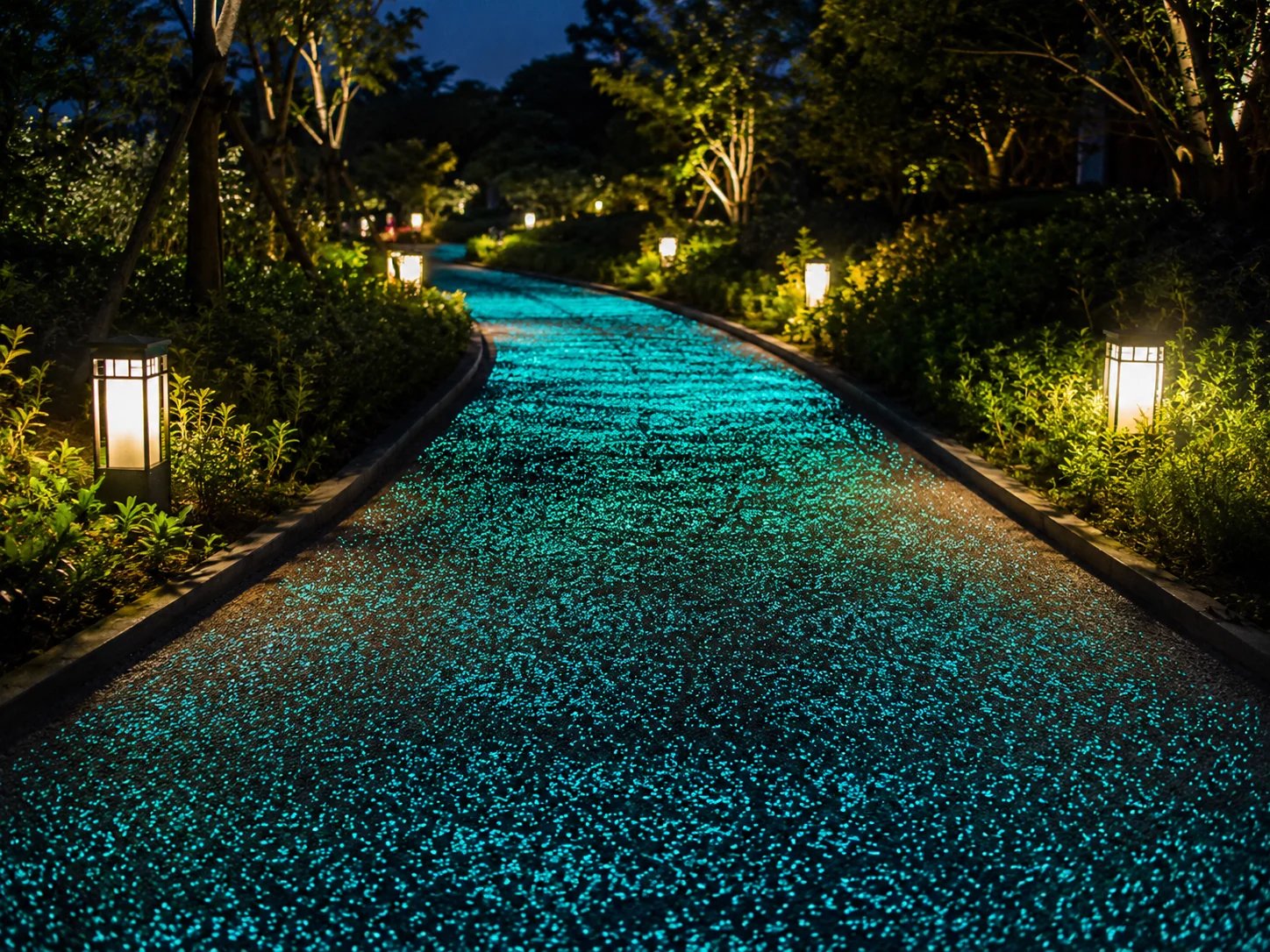
Glow stones for pathways absorb sunlight during the day and release soft afterglow at night. They can create attractive luminous walkways without electrical wiring and are increasingly used in landscape design, gardens, parks, resorts and outdoor recreational areas.
Decorative and functional settings include garden paths, park walkways, resort landscapes, residential communities, courtyards, scenic areas and outdoor leisure spaces. A successful path depends on the stone type, installation method, surface design, charging conditions and maintenance, rather than simply placing glowing stones on the ground.
What Are Glow Stones for Pathways?
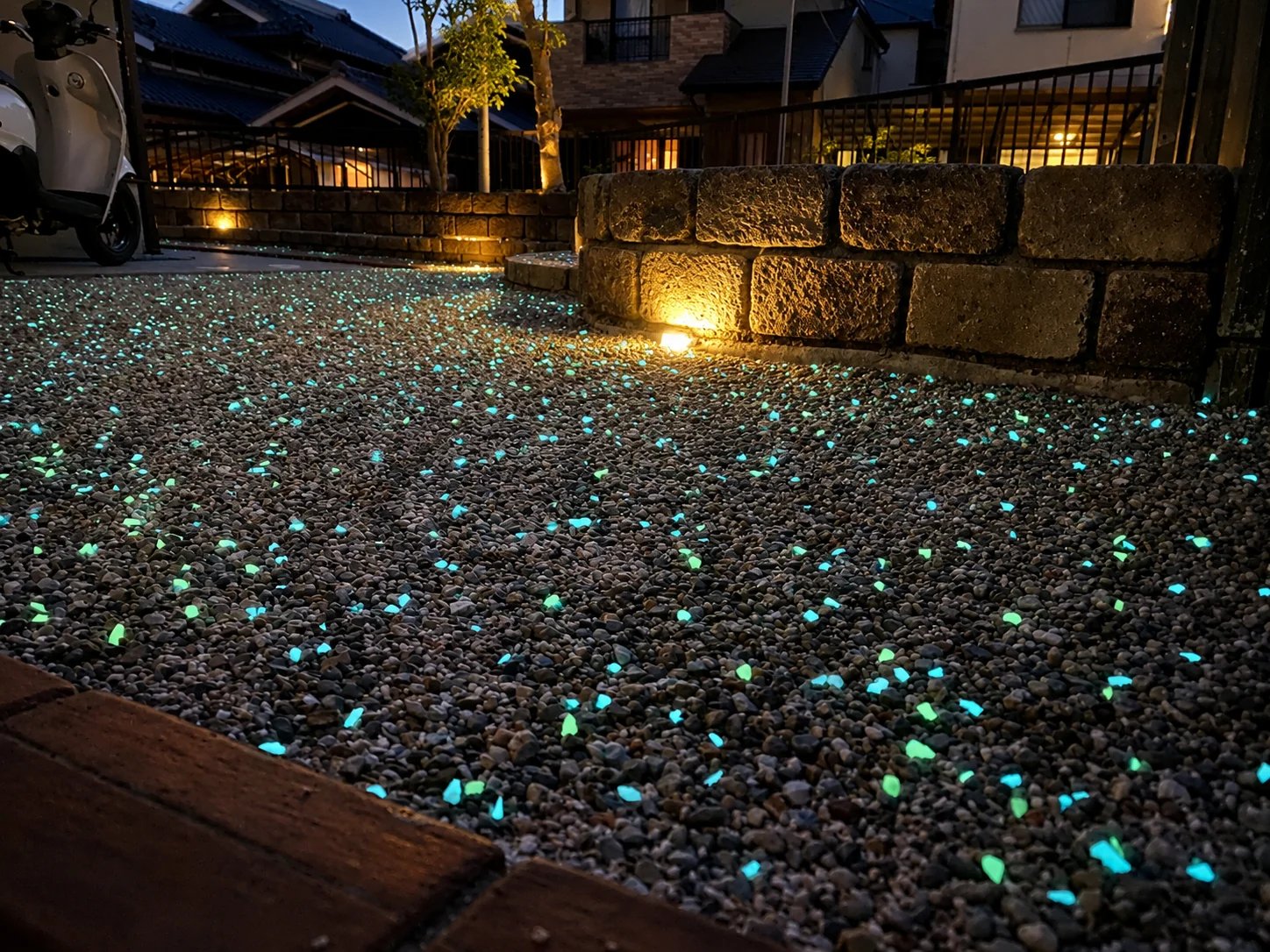
Glow stones are decorative stones or aggregates containing photoluminescent material. During the day, they absorb energy from:
- Sunlight
- Natural daylight
- Suitable artificial lighting
After dark, they gradually release the stored energy as visible glow. The basic process is:
Light Exposure → Energy Storage → Nighttime Glow → Recharge
Unlike LED lighting systems, glow stones do not require electrical power for their afterglow.
Why Use Glow Stones in Landscape Paths?
Traditional pathway lighting often requires:
- Wiring
- Power supply
- Light fixtures
- Regular maintenance
Glow stones provide another approach. They can create:
- Low-level route guidance
- Decorative nighttime effects
- Visual pathway boundaries
- Landscape highlights
They are especially suitable for areas where a soft nighttime atmosphere is desired.
Match glow stones to the landscape setting
Glow stones can be used in many outdoor environments.
Garden Paths
Garden pathways are one of the most common applications. Glow stones can be installed along:
- Walking routes
- Flower beds
- Lawn edges
- Garden borders
- Small bridges
They create a natural nighttime landscape effect.
Park Walkways
Parks often use luminous materials to improve nighttime atmosphere. Applications include:
- Pedestrian paths
- Rest areas
- Scenic routes
- Decorative pavement sections
Glow stones can help visitors recognize pathway directions after sunset.
Resort and Hotel Landscapes
Outdoor hospitality spaces often focus on both safety and visual experience. Glow pathways can be used around:
- Villas
- Gardens
- Swimming pools
- Outdoor restaurants
- Waterfront areas
The soft glow creates a premium landscape appearance.
Residential Communities
Residential developments may use glow stones for:
- Courtyard paths
- Community gardens
- Walking routes
- Recreational areas
They provide decorative value while improving nighttime visibility.
Compare glow stones, aggregates and resin-bound systems
Different glow stone systems create different appearances.
Photoluminescent Pebbles
These are individual luminous stones. They are commonly used for:
- Garden paths
- Decorative borders
- Small landscape projects
Advantages:
- Natural appearance
- Easy installation
- Flexible design
Glow Aggregate
Glow aggregate consists of smaller luminous particles. It can be mixed with:
- Concrete
- Resin
- Decorative pavement systems
Applications include:
- Exposed aggregate pavement
- Resin-bound pathways
- Decorative concrete
Resin Bound Glow Stones
This system combines luminous stones with transparent resin. Typical structure:
Prepared Base
↓
Resin Binder
↓
Glow Aggregate
↓
Finished Surface
Advantages include:
- Smooth surface
- Continuous appearance
- Better stone retention
- Custom patterns
Choose a glow color for the design
Common glow colors include:
Yellow-Green
Usually provides strong visible brightness. Suitable for:
- Safety guidance
- Path edges
- General landscape use
Blue-Green
Creates a modern and relaxing atmosphere. Popular for:
- Resorts
- Gardens
- Waterfront areas
- Decorative pathways
Blue
Often selected for special landscape effects. The final color should match:
- Landscape style
- Pavement color
- Lighting environment
- Design goals
Plan coverage, edges and decorative patterns
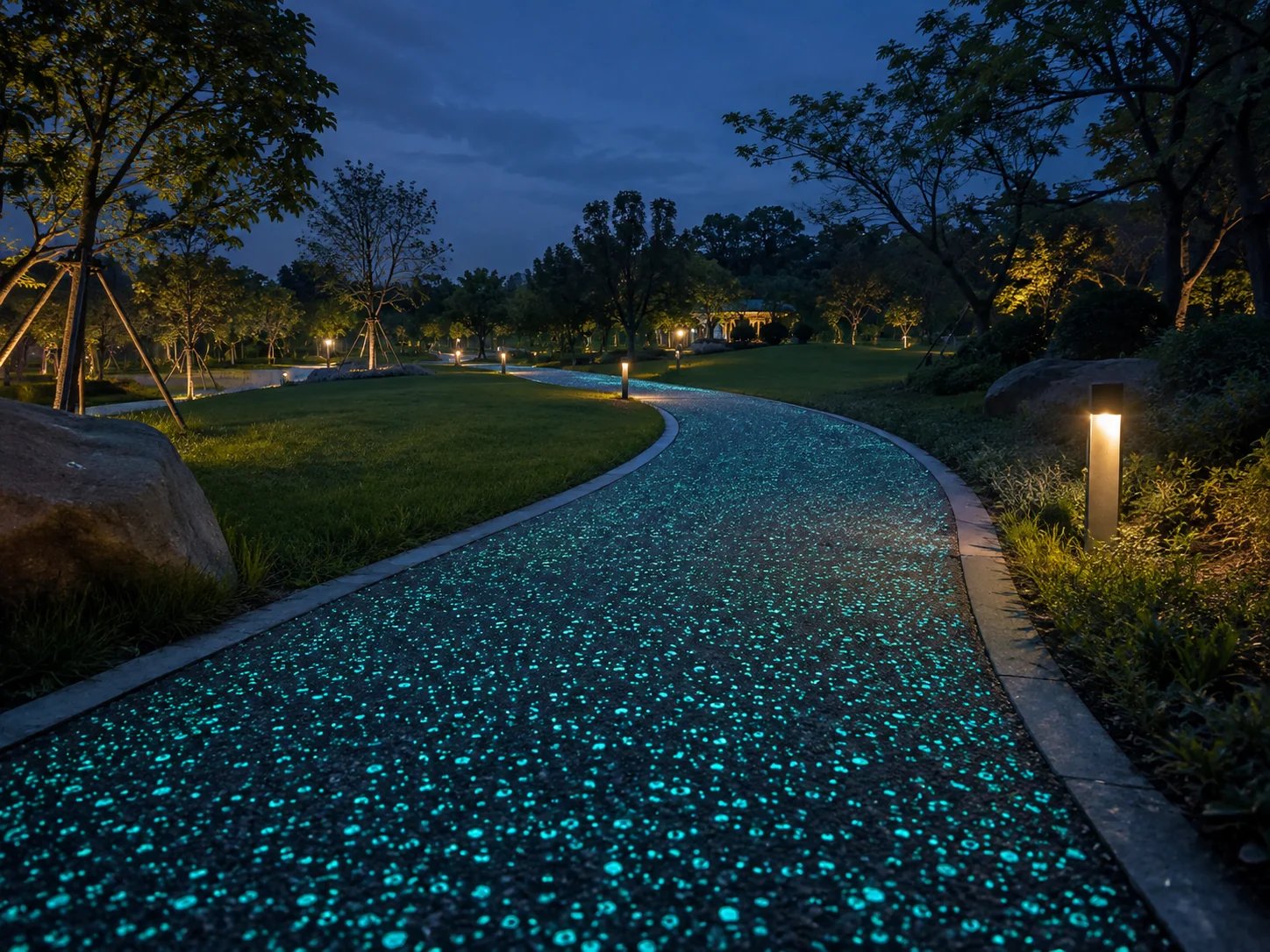
There are many ways to use glow stones.
Full Surface Coverage
The entire pathway contains luminous material. Benefits:
- Strong nighttime effect
- High visual impact
Suitable for:
- Feature paths
- Resorts
- Decorative areas
Path Edge Lighting
Glow stones are installed along both sides of the walkway. Benefits:
- Lower material consumption
- Clear route definition
- Natural appearance
Suitable for:
- Gardens
- Parks
- Residential paths
Decorative Patterns
Glow stones can create:
- Curves
- Waves
- Stars
- Symbols
- Borders
This is popular for landscape design projects.
Compare installation methods and prepare the surface
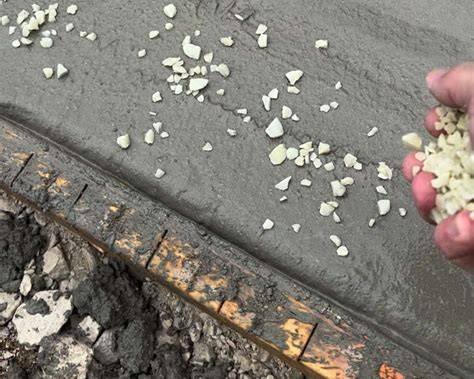
The installation method depends on the pathway structure.
Method 1: Loose Placement
The simplest method is placing glow stones directly on the surface. Suitable for:
- Garden beds
- Decorative areas
- Low-traffic paths
Advantages:
- Easy installation
- Easy replacement
However, stones may move over time.
Method 2: Embedding into Concrete
Glow stones can be pressed into fresh concrete. Typical steps:
- Prepare concrete surface
- Place glow stones
- Press stones into the surface
- Finish the concrete
- Allow curing
The luminous surface should remain exposed.
Method 3: Resin-Bound Installation
A transparent resin system can permanently hold glow stones in place. Advantages:
- Smooth surface
- Better durability
- Suitable for pedestrian traffic
Common applications:
- Parks
- Resorts
- Commercial landscapes
Surface Preparation
For permanent installations, surface preparation is important. The base should be:
- Clean
- Stable
- Dry
- Free from dust
- Free from loose materials
Poor preparation can reduce adhesion and shorten service life.
Check light exposure and expected afterglow
Glow stones need light charging. Outdoor pathways usually benefit from sunlight. However, charging conditions can vary. Factors include:
- Tree shade
- Building shadows
- Covered areas
- Seasonal sunlight changes
A pathway receiving strong daylight will usually produce better nighttime performance.
Shaded Garden Pathways
Not all garden paths receive equal sunlight. Areas under:
- Large trees
- Buildings
- Roof structures
may charge less effectively. For shaded areas, consider:
- Testing samples
- Using suitable artificial lighting
- Adjusting stone placement
How Long Do Glow Stones Stay Bright?
Glow stones are usually brightest shortly after darkness begins. Brightness gradually decreases. Performance depends on:
- Material quality
- Charging time
- Light intensity
- Stone size
- Surface cleanliness
- Ambient darkness
This gradual fading is normal for photoluminescent materials.
Glow Stones vs Traditional Path Lighting
Both systems have advantages.
Glow Stones
Advantages:
- No wiring
- Low maintenance
- Integrated into landscape
- Decorative appearance
Limitations:
- Soft illumination
- Requires charging light
- Does not replace full lighting
LED Path Lighting
Advantages:
- Strong illumination
- Controlled brightness
- Longer operating time
Limitations:
- Requires power
- Requires equipment
- Higher installation complexity
Many landscape projects combine both systems.
Consider surface safety, traction and outdoor exposure
Glow stones can improve pathway recognition, but they should not be considered a replacement for required lighting. They are suitable for:
- Route indication
- Decorative guidance
- Landscape enhancement
They should not replace lighting needed for:
- Stairs
- Major hazards
- Vehicle areas
- Emergency access
Slip Resistance
For pedestrian pathways, surface safety is important. The finished surface should provide:
- Good traction
- Stable footing
- Weather resistance
Resin systems should be designed carefully to avoid creating slippery surfaces. Anti-slip treatments may be added when necessary.
Outdoor Weather Resistance
Glow pathways may experience:
- Rain
- UV exposure
- Temperature changes
- Dirt
- Moisture
Suitable materials should provide:
- Water resistance
- UV stability
- Good bonding
- Long-term appearance
Cleaning and Maintenance
Glow stones require minimal maintenance, but regular cleaning helps maintain performance. Common contaminants include:
- Dust
- Leaves
- Mud
- Organic residue
Cleaning helps ensure light can reach the luminous surface.
Common Installation Mistakes
Burying Stones Too Deep
If glow stones are covered by concrete or resin, they may not receive enough light.
Using Poor Quality Glow Material
Low-quality materials may have:
- Weak brightness
- Short afterglow
- Poor weather resistance
Ignoring Drainage
Standing water can affect appearance and surface performance.
Installing in Permanent Shade
Poor charging conditions can reduce nighttime effect.
How to Test Glow Stones Before Installation
Before completing a large project, prepare a sample area. Test:
- Daytime appearance
- Nighttime glow
- Charging performance
- Surface texture
- Water resistance
- Walking comfort
A small test can help confirm the final design.
Best Projects for Glow Stone Pathways
Glow stones are especially suitable for:
Gardens
Decorative walking paths.
Parks
Nighttime landscape routes.
Resorts
Premium outdoor design.
Residential Communities
Courtyard and recreation paths.
Scenic Areas
Tourism and landscape applications.
Commercial Landscapes
Hotels, restaurants, and outdoor spaces.
Plan the complete luminous pathway
Glow stones for pathways provide a simple way to combine landscape design with passive nighttime visibility. They can transform ordinary walkways into attractive luminous paths without complex electrical systems. The best results depend on:
Quality Glow Material + Proper Installation + Good Light Exposure + Suitable Surface Design + Regular Maintenance
For gardens, parks, resorts, residential communities, and landscape projects, glow stones can create both functional guidance and unique nighttime visual effects.
FUXIN supplies Glow Stones, Photoluminescent Aggregates, Glow Pavement Materials, Luminous Landscape Materials, and Photoluminescent Pigments for pathways, decorative pavement, gardens, and outdoor landscape applications.
For samples, quotations, or project recommendations, please contact us.